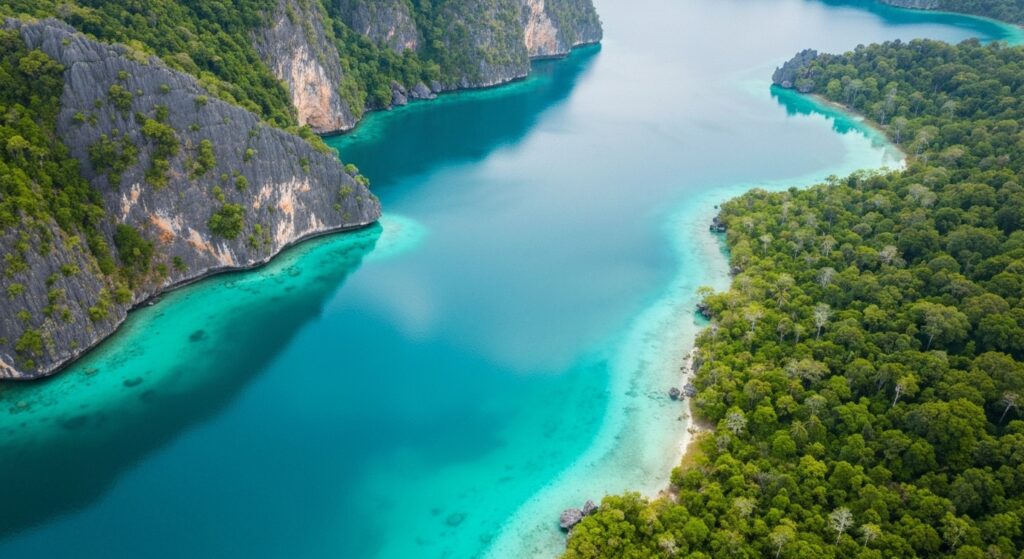
Complete Guide to Sumba’s Best Destinations
Sumba Island is divided into four regencies — West Sumba, Southwest Sumba, Central Sumba, and East Sumba — each offering distinctive landscapes, cultural sites, and natural attractions. While the island is compact enough to traverse in a single day, the diversity of experiences rewards travellers who take time to explore each region at a relaxed pace.
The destinations below represent the highlights of Sumba Island, from iconic landmarks that appear on every itinerary to hidden gems that only local guides know. We have visited every site listed here and can provide current, firsthand advice on the best times to visit, ideal photographic conditions, and cultural protocols to observe.
West Sumba — Cultural Heartland
West Sumba is the epicentre of Sumbanese traditional culture. The regency capital Waikabubak serves as the primary base for exploring the region’s extraordinary traditional villages, megalithic sites, and ceremonial grounds. This is where the Pasola Festival takes place and where the Marapu spiritual tradition remains most visibly practised.
Ratenggaro Village
One of Sumba’s most spectacular traditional villages, situated on a dramatic clifftop overlooking the ocean. Towering ancestral houses with distinctive peaked roofs surround massive megalithic stone tombs — some weighing over 70 tonnes. The village remains an active Marapu ceremonial centre. Full guide →
Praijing Village
A hilltop village near Waikabubak showcasing classic Sumbanese architecture. The tall peaked houses and elaborate stone tombs are beautifully maintained, and the village elders are generally welcoming to respectful visitors. Best visited in the morning for optimal light. Full guide →
Nihiwatu Beach
Home to one of the world’s best left-hand surf breaks and the setting for Nihi Sumba resort. The beach stretches for over a kilometre with dramatic cliffs and pristine sand. Access is controlled by the resort, though arrangements can be made through Sumba Pasola. Full guide →
Lapopu Waterfall
West Sumba’s tallest waterfall, plunging approximately 100 metres through lush tropical forest. The falls are most impressive during and just after the wet season (December-April). A moderate trek of about 30 minutes leads to the viewing platform. Full guide →
East Sumba — Natural Wonders
East Sumba offers a striking contrast to the cultural density of the west. This is a land of vast savannas, dramatic geological formations, and some of Indonesia’s most beautiful natural landscapes. The regency capital Waingapu is a bustling port town that serves as the gateway to East Sumba’s attractions.
Weekuri Lake
A breathtaking saltwater lagoon enclosed by limestone cliffs. The water is crystal-clear turquoise, perfect for swimming and snorkelling. A natural rock bridge connects to the open sea. Best visited in the morning before the wind picks up. One of Sumba’s most iconic and photographed sites. Full guide →
Tanggedu Waterfall
Often called Sumba’s Grand Canyon, Tanggedu is a dramatic multi-tiered waterfall set within a narrow gorge of layered limestone. The turquoise pools at the base are swimmable. Access requires a scenic 45-minute trek through the canyon. Full guide →
Walakiri Beach
Famous for its dancing mangrove trees silhouetted against spectacular sunsets. The exposed mangrove roots at low tide create surreal, otherworldly shapes that have become one of Indonesia’s most recognisable photographic subjects. Full guide →
Warinding Hill
A rolling savanna hilltop offering 360-degree panoramic views of Sumba’s interior landscape. The golden grasslands stretching to the horizon evoke the African savanna. Best at sunrise or sunset for dramatic light and photography. Full guide →
Southwest Sumba — Remote & Authentic
Southwest Sumba is the least visited region of the island, offering raw authenticity and landscapes that remain largely untouched by tourism. This is where the Kodi people maintain some of the strongest Marapu traditions on the island, and where the most intense Pasola ceremonies take place.
Tarimbang Beach is Southwest Sumba’s hidden treasure — a vast crescent of white sand backed by coconut palms with consistent surf breaks and virtually no other visitors. Full guide →
Megalithic Heritage
Sumba’s megalithic stone tombs are among the island’s most distinctive features. Unlike the ancient megaliths of Europe, Sumba’s stone tomb tradition continues to the present day — new tombs are still carved, transported, and erected using methods that have remained essentially unchanged for thousands of years. These massive stone structures, some weighing over 70 tonnes, serve as burial sites for clan leaders and are decorated with intricate carvings depicting the deceased’s status and achievements.
Frequently Asked Questions
How many days do I need to see Sumba’s main destinations?
A minimum of 4-5 days allows you to cover the highlights of both West and East Sumba at a comfortable pace. A 7-day trip provides the depth to explore remote areas and enjoy activities like horse riding and cultural immersion without rushing.
Which destinations are best for photography?
Walakiri Beach (sunset), Tanggedu Waterfall (midday), Ratenggaro Village (morning), Warinding Hill (sunrise/sunset), and Weekuri Lake (morning) are consistently the most photogenic locations on the island.
Are the destinations accessible year-round?
Most destinations are accessible throughout the year. Some waterfall treks may be challenging during heavy wet season rains (January-February), and a few remote roads in East Sumba can become difficult after sustained rainfall. Your guide will adjust itineraries based on current conditions.
Do I need to pay entrance fees?
Most natural attractions charge a small entrance fee (IDR 10,000-50,000). Traditional villages appreciate a donation or gift of betel nut and tobacco. All fees and cultural gifts are included in Sumba Pasola tour packages.
Can I visit traditional villages respectfully?
Yes, with appropriate guidance. Our local guides make proper introductions, explain cultural protocols, and ensure your visit is welcomed by the community. Always ask before photographing people, dress modestly, and follow your guide’s instructions about where you may and may not go within the village.
Explore Sumba’s Best Destinations
Let us design a personalised itinerary covering the destinations that match your interests. Every trip is private, every detail handled.
Plan Your Sumba Itinerary