Everything You Need to Know About Visiting Sumba Island
Sumba Island remains one of Indonesia’s best-kept secrets — a place where ancient traditions endure, landscapes are largely untouched, and the pace of life follows rhythms set centuries ago. This comprehensive travel guide covers everything you need to plan your perfect Sumba trip, from practical logistics and costs to cultural etiquette and seasonal considerations.
Getting to Sumba
Flights from Bali
The most common route to Sumba is via Bali’s Ngurah Rai International Airport (DPS). Wings Air (Lion Group) and Nam Air (Sriwijaya Group) operate daily flights to Tambolaka Airport (TMC) in West Sumba. Flight time is approximately 90 minutes. Fares typically range from IDR 800,000 to IDR 2,000,000 (USD 50-130) one way, depending on booking timing and season.
Flights from Jakarta
From Jakarta, the most reliable route connects through Bali. Some seasonal direct flights operate to Waingapu (WGP) in East Sumba via Kupang. Check current schedules as routes change frequently.
Airport Transfers
Tambolaka Airport is the primary gateway for visitors focused on West Sumba, the Pasola Festival, and luxury resorts. It is approximately 1 hour drive to Waikabubak and 1.5-2 hours to major attractions. Waingapu Airport serves East Sumba. All Sumba Pasola tour packages include airport transfers.
Getting Around Sumba
There is no reliable public transport connecting tourist destinations on Sumba. Private car with driver is the standard and recommended transport method. Roads have improved significantly in recent years, though some destinations still require high-clearance vehicles and experienced drivers. The drive between West and East Sumba takes approximately 4-5 hours via the main highway.
Motorbike rental is available for experienced riders, but road conditions, livestock on roads, and lack of emergency services make this a less advisable option for most visitors. We strongly recommend travelling with a local driver who knows the roads, conditions, and communities.
Best Time to Visit Sumba
Sumba’s tropical climate is divided into a dry season (May-October) and wet season (November-April), with distinct advantages in each period.
Dry Season (May-Oct)
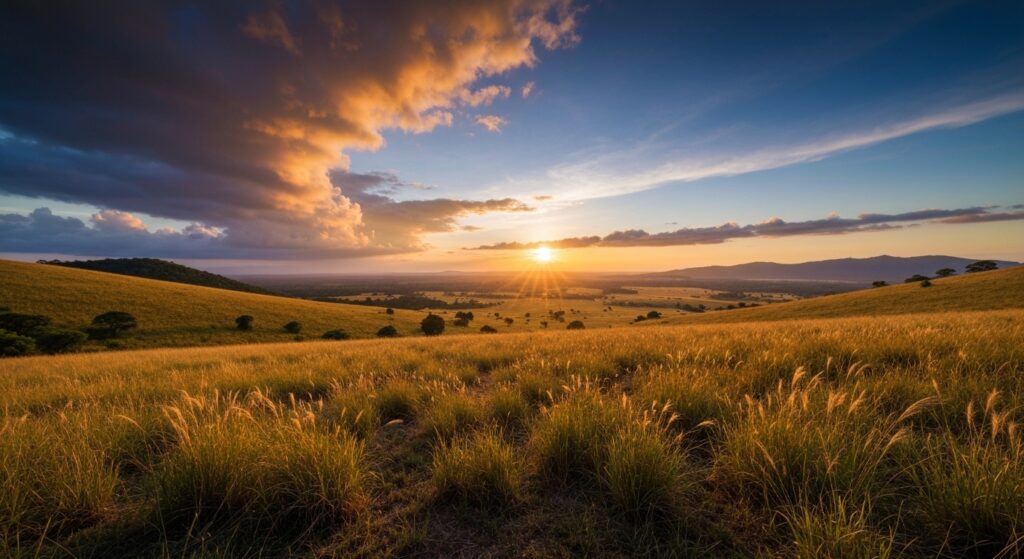
Best weather — clear skies, comfortable temperatures (25-32°C), minimal rain. Peak tourist season is July-August. Ideal for beaches, trekking, horse riding, and photography. Savannas turn golden, creating dramatic landscapes.
Pasola Season (Feb-Mar)
The Pasola Festival period. Transitional weather — occasional rain but often with extended sunny periods. The most culturally rewarding time to visit. Book accommodation well in advance.
Wet Season (Nov-Apr)
Lush green landscapes, fewer tourists, lower prices. Rain typically falls in heavy afternoon showers rather than all-day downpours. Waterfalls at peak flow. Some remote roads may be challenging. Great for photography enthusiasts.
For monthly details, see our guides: January · February · March · April · May · June · July · August · September · October · November · December
Accommodation
Sumba’s accommodation ranges from world-class luxury resorts to simple local guesthouses. The main options by category:
Ultra-Luxury: Nihi Sumba (from USD 1,500/night), Cap Karoso (from USD 400/night), Lelewatu Resort (from USD 350/night). Book 3-6 months ahead for peak season.
Mid-Range: Mario Hotel Waikabubak, Padadita Beach Hotel, and several boutique properties in both West and East Sumba offer comfortable accommodation from USD 50-150/night.
Budget: Local guesthouses and homestays in Waikabubak and Waingapu from USD 15-40/night. Basic but clean, with warm hospitality.
Costs & Budget
Sumba offers excellent value compared to Bali, particularly at the mid-range level. Here is a realistic daily budget breakdown:
Budget traveller: USD 30-60/day (guesthouse, local food, motorbike or shared transport)
Mid-range: USD 80-200/day (comfortable hotel, private driver, restaurant meals)
Luxury: USD 500-2,500+/day (premium resort, private guide, exclusive experiences)
Our tour packages provide transparent all-inclusive pricing so you know exactly what your trip will cost before booking.
Cultural Etiquette
Sumba’s cultural traditions are living and deeply felt. Respectful behaviour is essential to ensuring both your welcome and the continued openness of communities to future visitors.
Village visits: Always visit with a guide who can make proper introductions. Ask permission before entering houses or sacred areas. Bring betel nut, tobacco, or a small cash gift for the village head. Dress modestly — shoulders and knees covered.
Photography: Always ask before photographing people, especially elders and during ceremonies. Some sacred sites prohibit photography. Your guide will advise on what is appropriate at each location.
Ceremonies: If you are fortunate enough to witness a ceremony (funeral, wedding, or Pasola), follow your guide’s instructions precisely. These are sacred events, not tourist performances.
Health & Safety
Sumba is generally safe for tourists. Malaria risk is present — consult your travel doctor about prophylaxis. Bring strong insect repellent. Medical facilities are limited to basic clinics in Waikabubak and Waingapu — comprehensive travel insurance with medical evacuation cover is essential. The nearest well-equipped hospital is in Bali.
Sun protection, adequate hydration, and sturdy footwear for uneven terrain are practical essentials. Tap water is not potable — drink bottled or purified water only.
Frequently Asked Questions
How many days should I spend in Sumba?
We recommend a minimum of 3-4 days for West Sumba highlights, or 5-7 days for a comprehensive experience including both East and West Sumba. If combining with the Pasola Festival, 5-7 days allows comfortable attendance plus island exploration.
Is Sumba worth visiting?
Absolutely. Sumba offers something increasingly rare in Southeast Asia — genuine cultural authenticity, untouched natural beauty, and the feeling of discovering a destination before mass tourism arrives. It is consistently rated as one of Indonesia’s most rewarding destinations by experienced travellers.
Do I need a guide in Sumba?
While not strictly mandatory, a local guide dramatically enhances the Sumba experience. Many of the island’s best experiences — traditional village visits, Pasola attendance, horse riding — require introductions and cultural knowledge that only a local guide can provide.
Is there WiFi in Sumba?
Luxury resorts offer WiFi (variable speeds). Hotels in Waikabubak and Waingapu generally have basic WiFi. Mobile data coverage (4G) is available in towns but drops out in remote areas. Consider Sumba as a destination where disconnecting is part of the experience.
What currency is used in Sumba?
Indonesian Rupiah (IDR). ATMs are available in Waikabubak and Waingapu but not in rural areas. Bring sufficient cash for your trip. Credit cards are accepted at luxury resorts only. Exchange money in Bali before flying to Sumba for the best rates.
Can I visit Sumba independently?
Yes, independent travel is possible but challenging. Limited public transport, unmarked destinations, language barriers, and cultural protocols make guided travel strongly recommended. At minimum, hire a driver-guide for your stay.
Let Us Plan Your Sumba Trip
Skip the research — our local team handles every detail. Custom itineraries, expert guides, and genuine insider access to Sumba’s best experiences.
Start Planning on WhatsApp