Dry Season Begins
Visiting Sumba in June
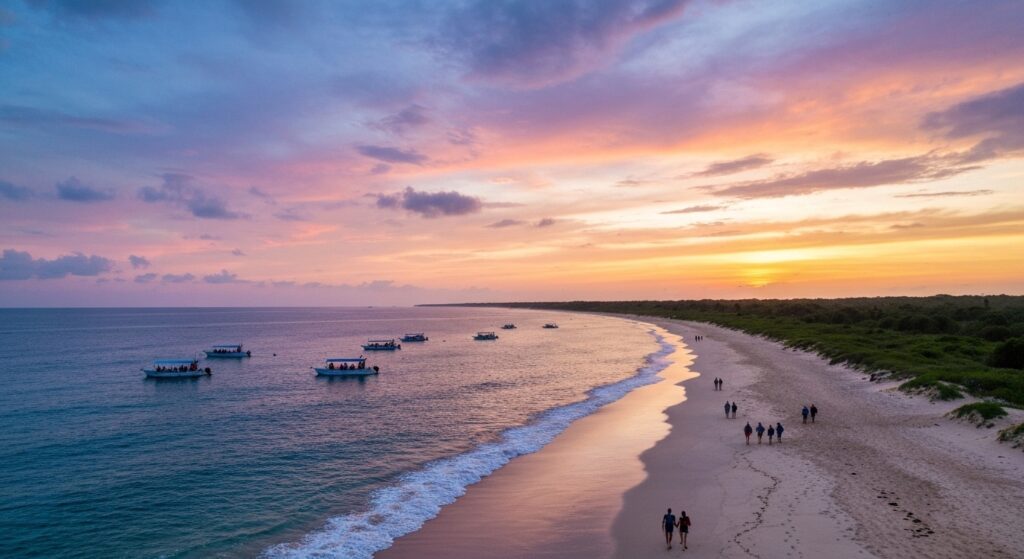
June marks the beginning of Sumba’s glorious dry season — clear skies, accessible roads, and the island’s landscapes at their most dramatic with a warm, golden light.
June is one of Sumba Island’s best travel months. The wet season rains that define January through May are retreating, leaving Sumba’s roads dry, its beaches pristine, and its skies spectacular. June visitors benefit from the first weeks of the dry season — fresh vegetation still green from the rains, waterfalls full, and the dramatic Sumba highland landscape at its most lush before the dry season turns it golden-brown.
For travellers who cannot make it to Sumba during the February–March Pasola Festival season, June offers an exceptional alternative — access to everything extraordinary about Sumba without the festival crowds. Beaches, culture, waterfalls, megalithic villages, and Sumba’s famous horses — all available with private, unhurried access.
☀️ Why June is a Great Time to Visit Sumba
☀️ Dry Season Begins
June signals the start of Sumba’s dry season. Roads are accessible, rain is minimal, and skies are mostly clear — ideal for beach visits, waterfall treks, and village exploration.
🌿 Lush Landscapes
Unlike later dry season months when Sumba’s landscapes turn brown, June still has green vegetation from the wet season rains — creating dramatic contrasts with the blue sea and sky.
💧 Full Waterfalls
Tanggedu and Lapopu Waterfalls are still at excellent flow in June — significantly better than September or October when water levels drop. Perfect for waterfall swimming.
🏖️ Beach Season
Sumba’s beaches — Nihiwatu, Weekuri, Pero, Walakiri — are excellent in June. Ocean temperatures are warm, and while wind picks up on some coasts, most beaches are calm and swimmable.
📅 What to Do in Sumba in June
June offers access to Sumba’s complete experience: natural highlights, cultural sites, and luxury resort stays. Here is what we recommend for a June Sumba visit:
- Weekuri Lake: The saltwater lagoon is spectacular in June — turquoise water, warm temperatures, and calm conditions for swimming and snorkelling.
- Tanggedu & Lapopu Waterfalls: Both at strong flow in June. Tanggedu is a 2-hour return trek — one of Sumba’s most dramatic experiences and best in dry-season transition months.
- Walakiri Beach: The iconic mangrove coastline is accessible and beautiful. Visit at low tide for the famous ‘dancing trees’ photography.
- Megalithic village visits: Traditional ceremonies and village life continue year-round. June visitors often witness smaller local rituals not tied to the Pasola calendar.
- Sumba horse riding: One of the world’s oldest and most unique equestrian traditions. June is excellent for riding along Sumba’s coastal trails.
- Nihi Sumba / Cap Karoso resort stay: Both luxury resorts are open year-round and recommend June–September as peak season.
🌡️ June Weather in Sumba
📦 Recommended June Packages
Sumba 4D/3N — Classic
4 Days · 3 Nights
Perfect June package — East and West Sumba, full natural highlights, cultural immersion.
View Package →Sumba 5D/4N — Popular
5 Days · 4 Nights
Our most popular itinerary. Complete Sumba — beaches, waterfalls, culture, highlands.
View Package →Luxury Sumba June
4–7 Days · Premium
Nihi Sumba, Cap Karoso, private guide, spa, yacht. June is peak luxury season.
View Package →Plan Your June Sumba Trip
Contact us for package pricing, availability, and custom June itineraries.
💬 Plan June TripMaking the Most of June in Sumba
June sits at the sweet spot of Sumba’s annual calendar. The heavy rains of the wet season have stopped, but the landscape retains the lush green vegetation that makes the island’s scenery so dramatic. By August or September, much of Sumba turns golden-brown under the relentless dry-season sun. In June, you get the best of both worlds — dry, accessible roads and sunshine combined with the vibrant green landscapes that make photographs extraordinarily beautiful. This visual quality alone makes June one of the most photographically rewarding months to visit Sumba.
Waterfall visitors particularly benefit from June travel. Tanggedu Waterfall — Sumba’s most spectacular natural attraction — requires substantial water flow to reach its full visual impact. In June, the cascade is still powered by wet-season runoff, creating dramatic curtains of water falling into turquoise swimming pools. By September or October, the same waterfall can be reduced to a trickle. If waterfalls are important to your Sumba experience, June is the optimal month to visit without the road challenges that make January or February more difficult to navigate.
June also marks the beginning of what locals call the calm ocean season. After months of rough seas driven by wet-season storms, June brings calmer coastal waters that are ideal for beach swimming, snorkelling, and boat excursions. Nihiwatu Beach, Tarimbang, and the beaches of East Sumba all benefit from improved ocean conditions. For travellers interested in Sumba’s marine life — including the possibility of whale watching later in the season — June is an excellent starting point.
Cultural experiences in June are undiminished by the absence of the Pasola Festival. Traditional villages welcome visitors year-round, Ikat weaving continues in every season, and the megalithic tombs and ancestral ceremonies that define Sumba’s extraordinary cultural landscape are accessible throughout the year. In fact, some travellers prefer visiting outside Pasola season precisely because they can explore cultural sites at a more relaxed pace without the festival-period intensity.