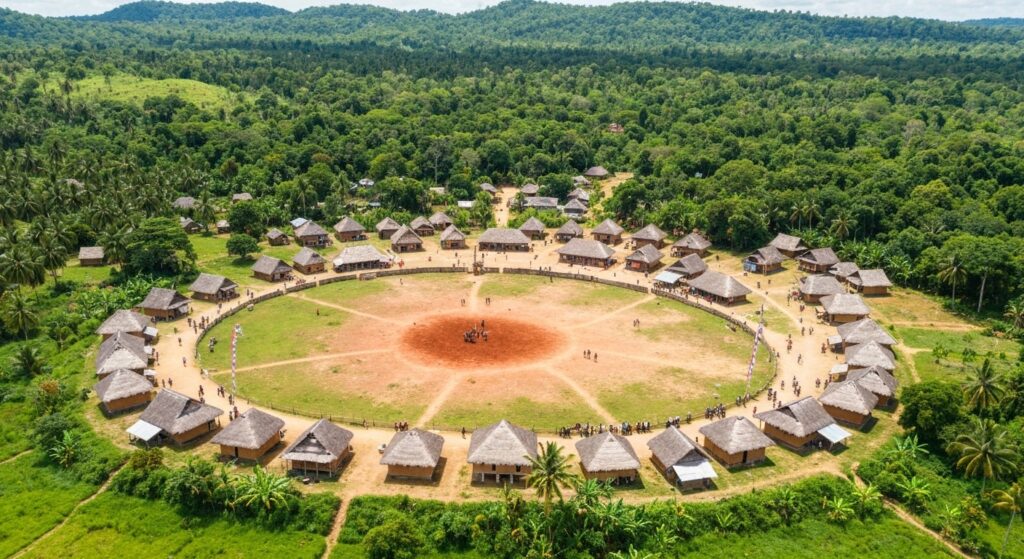
Accommodations and Hospitality on Sumba
Sumba’s accommodation options have expanded in recent years while maintaining the island’s authentic character. Visitors can choose from simple guesthouses offering basic comfort, mid-range hotels with modern amenities, and luxury resorts providing high-end accommodations. Each accommodation type offers unique advantages, with budget options providing authentic community interaction and upscale resorts offering comfort and convenience. The choice depends on individual preferences, travel budget, and desired level of cultural immersion.
Hospitality is central to Sumbanese culture, with communities known for warmth and generosity toward visitors. Accommodation owners and staff are typically eager to share local knowledge, recommend dining options, and facilitate cultural interactions. Many accommodations arrange activities including Pasola viewing, village tours, weaving demonstrations, and visits to traditional ceremony sites. Staying at locally-owned accommodations ensures that tourism revenue directly benefits community members rather than external corporations.
Getting to Sumba: Transportation
Most international visitors reach Sumba via Bali, which serves as the primary international gateway to Eastern Indonesia. From Bali, visitors can fly to Sumba on regional airlines offering daily flights covering the approximately 300-kilometer distance. The flight takes approximately one hour and provides scenic views of the Lesser Sunda Islands. Alternatively, ferry services operate between various Indonesian ports, though these typically require longer travel times and less convenient schedules.
Once on Sumba, transportation options include car rentals with drivers, organized tours, and local transportation services. The road network on Sumba has improved significantly in recent years, though conditions can vary. During the rainy season, some roads may become challenging to navigate. Hiring a local driver combines the benefits of reliable transportation with the advantage of local knowledge and language capability. This approach is recommended for visitors unfamiliar with local driving conditions.
Dining and Cuisine
Sumbanese cuisine reflects the island’s agricultural products, maritime resources, and cultural traditions. Traditional dishes feature rice or corn as staples, complemented by vegetables, fish, and meat. One signature dish is “tinutuan,” a rice porridge cooked with turmeric and served with side dishes. Another specialty is grilled fish from local waters, typically prepared with minimal seasoning to preserve natural flavors. Meat dishes often feature chicken, goat, or beef prepared in traditional styles using local spices and cooking methods.
Dining on Sumba can range from simple warungs (small local restaurants) serving authentic Sumbanese cuisine to upscale restaurants offering international options. Local warungs provide authentic food at minimal cost, with the added benefit of community interaction. Many accommodations include meal service, while others provide access to nearby dining options. For visitors with dietary restrictions or preferences, communicating needs to accommodation staff or tour guides ensures appropriate meal arrangements.
Currency, Banking, and Money Matters
Indonesia uses the Indonesian Rupiah as its official currency. Foreign currency can be exchanged at airport exchanges and banks in larger towns, though rates are typically better in urban areas. ATMs are available in Waingapu and larger towns, though it’s advisable to withdraw sufficient cash before traveling to remote areas. Credit cards are accepted at upscale hotels and restaurants but are not reliable for transactions in smaller establishments or villages.
Travelers should carry a mixture of cash and credit cards. Many expenses on Sumba, particularly accommodations, meals, and local tours, are relatively inexpensive by international standards. Daily budgets can range from budget ($30-50 USD daily) to mid-range ($75-150 USD daily) to upscale ($200+ USD daily) depending on accommodation and activity choices. Planning your budget helps determine appropriate accommodation types and activity levels.
Communication and Internet Access
Mobile phone service is available on Sumba through major Indonesian providers, with reasonable coverage in populated areas and along main roads. International roaming can be expensive, making local SIM cards a cost-effective option. Internet access varies by location, with reasonable connectivity in Waingapu and main towns but limited availability in remote villages. Visitors should not expect consistent internet access while traveling to remote areas and should plan accordingly for digital communications.
For travelers needing reliable communication, staying in larger towns or upscale resorts provides better internet connectivity. Email access may be intermittent in remote areas, so important communications should be handled before departing populated centers. Modern traveler communication applications can function with limited data, making them preferable to email for real-time coordination during your stay.
Health, Safety, and Travel Preparation
Sumba has adequate basic health facilities in main towns, though serious medical emergencies require travel to Bali or Java. Travel insurance covering medical evacuation is strongly recommended. Visitors should ensure routine vaccinations are current, and consulting a travel medicine clinic about additional vaccines or preventive medications is wise. Malaria risk exists on Sumba, particularly in lower-altitude areas, making antimalarial precautions important.
Sumba is generally safe for travelers, with violent crime against tourists being extremely rare. Standard travel precautions including keeping valuables secure and being aware of surroundings suffice. During Pasola season, attendance at ceremonies carries inherent risks due to the genuine danger of the combat ritual. Viewing from designated safe areas minimizes risk while allowing adequate observation of this remarkable cultural spectacle. Contact us via WhatsApp for specific health and safety guidance.
FAQ – Practical Travel Information
What documents do I need to visit Indonesia and Sumba?
Most international visitors require a passport valid for at least six months beyond travel dates. Many nationalities can obtain a visa on arrival, while others must arrange visas in advance. Checking specific requirements based on your citizenship is essential before booking travel.
What is the cost of visiting Sumba?
Daily costs vary significantly based on accommodation choice and activities. Budget accommodations combined with local dining and public transportation can cost $40-60 daily. Mid-range visits with decent hotels and organized activities run $100-150 daily. Luxury tourism with upscale resorts and private guides costs $200+ daily.
Is it safe to drink tap water on Sumba?
Tap water quality varies by location. Most hotels provide bottled or filtered water. Visitors should drink bottled water, which is widely available. Using tap water for brushing teeth is generally safe in main towns, though bottled water is more reliable if your stomach is sensitive.
Can I travel to Sumba independently or should I book tours?
Independent travel is possible if you’re comfortable with navigation challenges and language barriers. However, organized tours provide better access to cultural sites, clearer understanding of traditions, and more reliable transportation arrangements. For first-time visitors, tours are recommended for Pasola season to ensure safety and appropriate access to ceremonies.
Planning Your Sumba Adventure
Sumba offers transformative travel experiences combining cultural immersion, natural exploration, and personal growth. Whether you’re seeking intense cultural experiences like Pasola, peaceful nature-based activities, or community interaction and learning, Sumba accommodates diverse travel interests. Proper planning regarding accommodation, transportation, health preparation, and cultural orientation ensures your visit is both enjoyable and respectful of Sumbanese communities. Browse our tour packages to find options matching your interests and travel style.
Explore More
Pasola Festival: The Complete Guide to Sumba’s Sacred Tradition
Pasola Gallery: Visual Journey Through the FestivalPasola Gallery: Visual Journey Through the Festival
Pasola Accommodation: Where to Stay During the FestivalPasola Accommodation: Where to Stay During the Festival
Pasola Kodi: The Festival in Kodi DistrictPasola Kodi: The Festival in Kodi District