Discover Sumba in July — the perfect time for your island adventure. This comprehensive guide covers everything you need to plan an unforgettable trip.
Weather & Climate in July
July delivers peak dry season excellence with temperatures of 22-28°C (72-82°F) and minimal rainfall of 3-10mm. Days are reliably sunny with exceptional clarity. Mornings cool pleasantly around 18-20°C, afternoons reach 27-28°C. Humidity is lowest of any month at 50-60%. Sea conditions are calm with visibility exceeding 25 meters. Strong winds can occur on southern coasts. Overall, this represents ideal weather for all activities.
Top Experiences in July
Make the most of July’s unique conditions with these curated experiences:
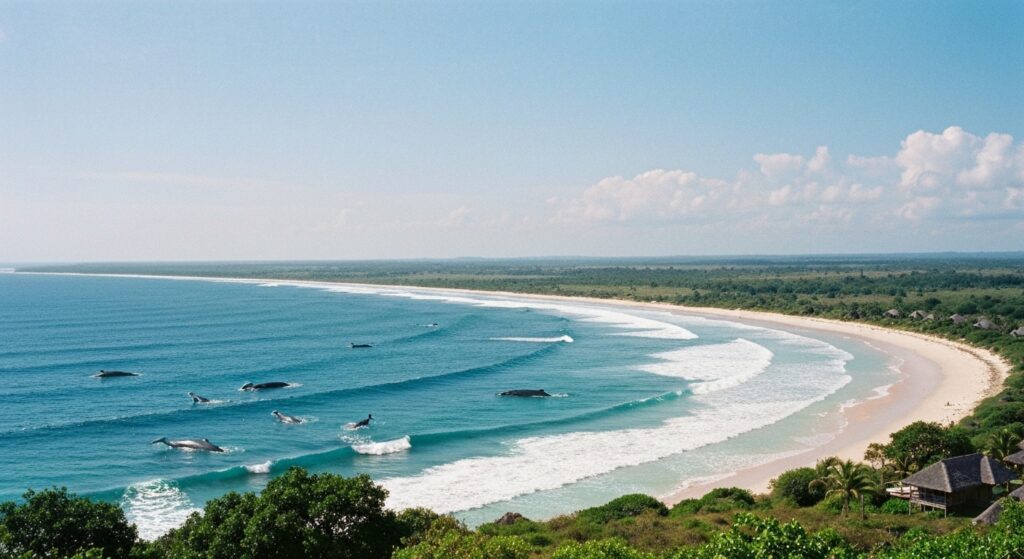
- Whale watch with peak sightings of sperm, humpback, and occasional blue whales
- Multi-day trekking expeditions through dry landscapes with unobstructed views and perfect temperatures
- Beach exploration and swimming in crystalline waters on perfect weather days
- Rock climbing and adventure activities in ideal dry conditions
- Cultural village visits with visitors-friendly communities accustomed to tourism
For detailed cultural exploration, discover Pasola Festival guide and top Sumba destinations to enhance your itinerary planning.
Events & Festivals in July
July marks the absolute peak of whale watching season with maximum sightings from June-August migrations. School holidays continue through early July creating peak tourism. Some western communities celebrate independence-related events. This month represents the height of adventure tourism season in eastern Indonesia.
Recommended Itinerary for July
This sample 9-10 day itinerary maximizes July’s unique advantages:
- Days 1-4: South coast whale watching expeditions with professional guides
- Days 5-7: Multi-day trekking adventure through mountain ranges
- Days 8-9: Beach activities and snorkeling at premium locations
- Days 10: Relaxation and local market exploration
Customize this itinerary based on your interests. Visit luxury Sumba trip guides for premium accommodation options or comprehensive travel guide for budget-friendly alternatives.
What to Pack for July
Pack extra-strong sunscreen (SPF 50+), wide-brimmed hat, quality sunglasses with UV protection, lightweight but warm jacket for cool mornings and evening breezes, hiking boots for trekking, snorkeling/diving equipment, camera with telephoto lens, refillable water bottle, and modest clothing for villages.
For specific accommodation and luxury resort recommendations, explore Sumba luxury resorts to complement your packing preparations.
Booking & Pricing in July
July represents peak season with highest prices: hotels $65-150/night, whale watching $80-130/day, trekking guides $70-120/day. Book 6-8 weeks in advance as accommodation fills rapidly. Premium pricing reflects optimal weather, maximum whale activity, and holiday tourism. Budget 20-30% more than low season.
Planning Your July Adventure
What is the best accommodation type for July travel to Sumba?
July weather and tourist levels make certain accommodation types more practical. Budget guesthouses provide authentic local experience and excellent value. Mid-range hotels offer comfort and reliability. Luxury resorts provide premium amenities and refined experiences. Consider your budget alongside desired amenities and chosen activities when selecting accommodation that matches July’s conditions and tourism patterns.
How should I adjust my packing for July conditions specifically?
July presents unique climate challenges requiring specific preparation. Rain protection becomes increasingly important toward late month. Sun protection remains essential even on rainy days. Layering helps manage temperature variations between cool mornings and warm afternoons. Waterproof bags protect electronics. Quick-dry clothing accommodates weather unpredictability. Comfortable walking shoes handle varied terrain from village paths to beach areas. Prepare for rapid weather changes typical of transition seasons.
What cultural sensitivities should I observe during July visits?
Respect for Sumbanese traditions enhances community interactions substantially. Cover shoulders and knees at religious sites and village visits. Request permission before photographing ceremonies, warriors, or individuals. Learn basic Indonesian greetings and cultural practices. Support local artisans by purchasing directly from craftspeople. Participate respectfully in community activities. Dress modestly at all times. Understand that some areas may restrict visitor access during specific ceremonies. Bringing respectful gifts strengthens community bonds and demonstrates cultural respect.
How can I arrange authentic experiences beyond typical tourist activities?
Guide services provide invaluable access to authentic experiences unavailable through standard tours. Local homestays offer immersive cultural exposure through daily community participation. Engage with artisans in their family compounds during working hours. Attend village events and ceremonies with proper introductions and permissions. Participate in market visits during traditional market days. Spend extended time in single locations allowing relationship development. Communicate your genuine interest in authentic cultural engagement rather than superficial sightseeing.
What are the most reliable transportation options throughout July?
Flights to Tambolaka Airport provide the most reliable transport regardless of July weather. Local ground transportation includes private car rental with drivers, motorbike rentals for experienced riders, and shared transport vehicles. During rainy months, road conditions may vary requiring higher-clearance vehicles. Advance booking of flights and private transportation ensures better pricing and reliability. Allow extra travel time during unpredictable weather periods. Experienced guides can arrange transportation and provide weather-condition expertise.
How do I responsibly interact with whale watching if July includes season?
Whale watching opportunities vary by July with peak seasons June-August featuring regular sightings. Choose operators following responsible whale watching guidelines maintaining safe distances. Avoid sudden movements or loud noises that disturb marine mammals. Support conservation-oriented tour operators contributing to whale protection. Understand that wildlife encounters depend on natural conditions and cannot be guaranteed. Respect marine protection regulations and no-touch policies. Focus on educational aspects alongside wildlife viewing. Photography should never compromise whale welfare or behavior patterns.
Ready to book your July adventure in Sumba? Contact us today for personalized trip planning and accommodation recommendations. Reach out via WhatsApp at +62 811 3809 193 for immediate assistance with your July travel plans.
Plan your perfect July trip to Sumba with comprehensive information covering weather, events, itineraries, and practical logistics ensuring an unforgettable island experience.
Insider Tips from Our Local Guides
Our experienced Sumba guides recommend several lesser-known activities for this month. Visit the local morning markets that operate in different villages on rotating days — each market offers unique textiles, spices, and traditional medicines. Ask your guide about the ceremonial calendar, as many traditional rituals and village ceremonies happen throughout the year beyond the famous Pasola. Photography enthusiasts should bring a drone (check regulations first) as Sumba’s landscapes are extraordinarily photogenic from above. For the best local food experience, request a traditional Sumbanese cooking class at your resort or arrange a village home-cooked meal through your guide. Birdwatching is excellent year-round with over 250 species including several Sumba endemics like the Sumba Hornbill and Sumba Buttonquail. Consider dedicating one morning to a guided birding walk through the forest near your accommodation.
Photography Opportunities This Month
Sumba offers extraordinary photography opportunities. The golden hour light on the savanna creates magazine-worthy landscapes. Traditional villages with their distinctive high-peaked thatched roofs photograph beautifully against the sky. Walakiri Beach at sunset provides the iconic dead mangrove silhouettes. Early morning mist over Warinding Hill creates ethereal scenes. The local people, with proper permission and respect, offer incredibly photogenic portraits. Our guides know the best times and angles for every location, ensuring you capture Sumba’s beauty at its finest.
📊 July Travel Summary
📦 Recommended July Packages
Sumba 5D/4N — Most Popular
Full Sumba island experience across 5 days — our most popular itinerary for July visitors.
View Package →Private Sumba Trip
Custom private itinerary for July — all activities, accommodation, and pace tailored to you.
Get Custom Quote →Luxury Sumba Trip
Nihi Sumba or Cap Karoso resort stay with private guide, spa, and premium experiences.
View Luxury Options →