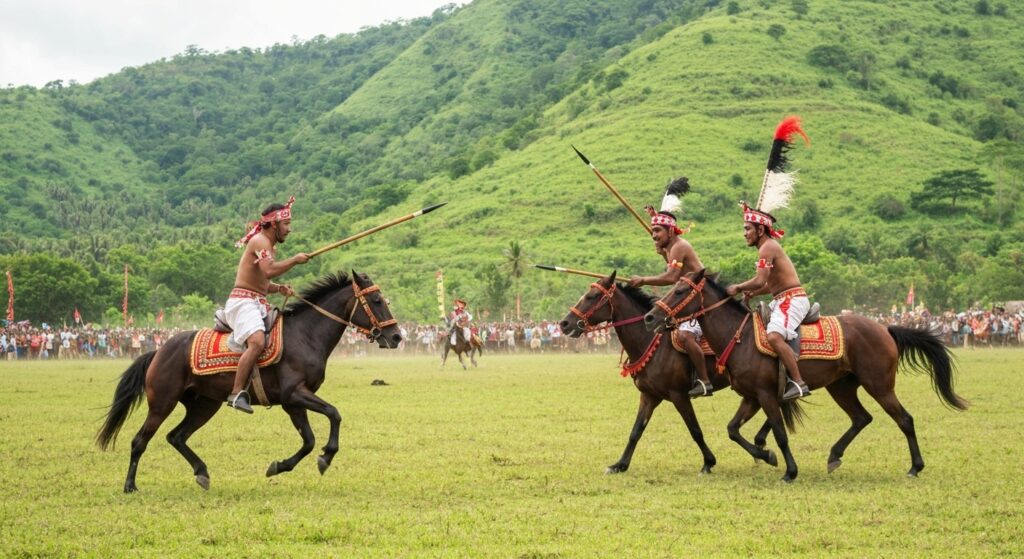
Health Benefits and Physical Wellness From Pasola Exposure
Experiencing Pasola and visiting Sumba can provide unexpected health and wellness benefits beyond typical vacation experiences. The combination of physical activity, cultural engagement, and natural environment exposure creates holistic wellness advantages. Walking across fields to view Pasola, hiking to traditional villages, and participating in community activities provides cardiovascular benefits and physical conditioning. The outdoor nature of these experiences, combined with minimal technology interference, offers genuine disconnection from urban stress.
The psychological benefits of experiencing authentic cultural practices and connecting with communities operating according to traditional values include reduced stress, increased mindfulness, and renewed perspective on what constitutes meaningful living. Watching warriors participate in Pasola rituals connects observers to human values transcending modern commercial society—courage, honor, community responsibility, and spiritual commitment. These experiences can create lasting shifts in how travelers view their own lives and priorities.
Learning Opportunities and Cultural Education
Sumba provides opportunities for learning about Indonesian culture, indigenous knowledge systems, and sustainable living practices. Visitors can learn about traditional agriculture, water management, textile production, and community organization from practitioners who have maintained these traditions across generations. Conversations with elders, artisans, and spiritual leaders provide insights into worldviews quite different from mainstream global perspectives. These educational experiences enrich understanding of human cultural diversity and highlight wisdom embedded in traditional practices.
Specific learning opportunities include weaving workshops where visitors learn basic techniques used to produce remarkable textiles, village tours explaining traditional architecture and community organization, agricultural demonstrations showing sustainable farming practices adapted to local conditions, and ceremonial briefings explaining the spiritual and cultural significance of Pasola. These hands-on learning experiences create deeper understanding than passive observation alone and support local artisans through direct payment for their knowledge-sharing.
Spiritual and Transformative Experiences
Many visitors report transformative spiritual experiences on Sumba, whether or not they consider themselves spiritual people. The intensity of Pasola rituals, the beauty of natural landscapes, the warmth of community connections, and the sense of participating in ceremonies connecting modern observers to millennia of ancestral practice creates profound emotional and spiritual impacts. For visitors with specific spiritual practices, Sumba offers opportunities for meditation, contemplative practice, and spiritual study informed by indigenous frameworks.
The tradition of Pasola itself offers lessons about commitment to ancestral traditions, willingness to accept pain and risk for community benefit, and the integration of spiritual belief into daily life. Observing warriors accepting real injury as a necessary part of ritual sacrifice raises profound questions about what values are worthy of such commitment. These contemplations often prompt visitors to reconsider their own value hierarchies and commitments.
Photography and Creative Inspiration
Sumba offers remarkable opportunities for photography across numerous subjects—dramatic landscapes, traditional architecture, vibrant textiles, portrait photography within communities, and action photography during Pasola combat. The intensity and movement of Pasola creates technical photography challenges that engage photographers at multiple skill levels. Natural lighting in tropical settings provides exceptional conditions for photography, with dramatic skies particularly spectacular during monsoon season transitions.
Beyond photography, Sumba inspires creative work in multiple forms. Writers find compelling stories in community histories and personal narratives. Artists draw inspiration from traditional designs, natural landscapes, and visual spectacles of cultural ceremonies. Performing artists can explore music, dance, and movement practices of Sumbanese communities. These creative engagements deepen understanding while producing artistic works that can share Sumbanese culture with broader audiences.
Supporting Sustainable Tourism Development
Visitors choosing ethical tourism practices on Sumba directly support sustainable development. Tourism revenue provides incentives for cultural preservation, enables investment in community infrastructure, and creates employment opportunities that encourage youth to remain in communities rather than migrating to cities. Economic benefits from tourism support conservation efforts protecting the island’s unique environments. By selecting locally-owned accommodations, hiring local guides, purchasing directly from artisans, and respecting cultural guidelines, visitors maximize their positive impact.
Sustainable tourism also requires visitors to be conscious of their environmental footprint. Minimizing plastic use, respecting natural areas, using reef-safe sunscreen, and following guide directions about appropriate activity areas helps protect Sumba’s natural and cultural heritage. Tourists can also support conservation organizations working on Sumba and become advocates in their home communities for ethical tourism practices globally.
FAQ – Sumba Visits and Cultural Tourism
How long should I stay on Sumba?
Minimum three to four days allows basic Pasola viewing and village tours. Five to seven days enables deeper exploration of multiple communities, nature areas, and cultural sites. Two-week visits allow leisurely pace, extensive community interaction, and varied activities. The optimal duration depends on your interests, budget, and available vacation time.
Can I visit outside Pasola season?
Absolutely. Sumba offers rich cultural experiences, natural attractions, and community interaction year-round. Off-season visiting actually offers advantages including fewer crowds, lower prices, and more relaxed interaction with communities less focused on managing tourist masses. Visit our packages page for non-Pasola season options.
Should I hire a guide for my visit?
Guides greatly enhance visits by providing cultural context, language translation, facilitating community interaction, and suggesting activities matching your interests. Local guides gain income supporting their families and are passionate about sharing their communities. This combination creates mutually beneficial relationships where tourists gain richer experiences while supporting local economies.
How do I ensure my visit respects Sumbanese culture?
Simple respectful practices include learning basic Indonesian phrases, dressing modestly, asking permission before photographing people, listening more than talking, following guide directives about sacred areas, and valuing community members’ time and knowledge. Ethical practices include fair payment for services, purchasing directly from artisans, and choosing locally-owned businesses. Chat with us about ethical tourism practices before your visit.
Integration and Lasting Impact
The most meaningful Sumba experiences extend beyond the visit itself. Many travelers maintain connections with communities and individuals met during visits, following their development and supporting their work through ongoing communication and financial support. Experiences on Sumba often prompt broader engagement with Indonesian culture, environmental conservation, and indigenous rights issues. Some visitors become advocates promoting ethical tourism globally or supporting development organizations working in Indonesia.
The relationships and insights gained from Sumba visits frequently shift perspectives and life trajectories. Having witnessed communities maintaining spiritual traditions despite modernization pressures, observed environmental beauty worthy of protection, and experienced genuine human connection across cultural boundaries, visitors often return home changed in ways they didn’t anticipate. This transformative potential represents Sumba’s greatest gift to thoughtful travelers seeking experiences that educate, inspire, and enrich their understanding of human culture and possibility.
Explore More
Pasola Lamboya: Tradition and Culture
Pasola Festival: The Complete Guide to Sumba’s Sacred TraditionPasola Festival: The Complete Guide to Sumba’s Sacred Tradition
Pasola Festival 5D/4N Tour PackagePasola Festival 5D/4N Tour Package
Pasola Festival 4D/3N Tour PackagePasola Festival 4D/3N Tour Package