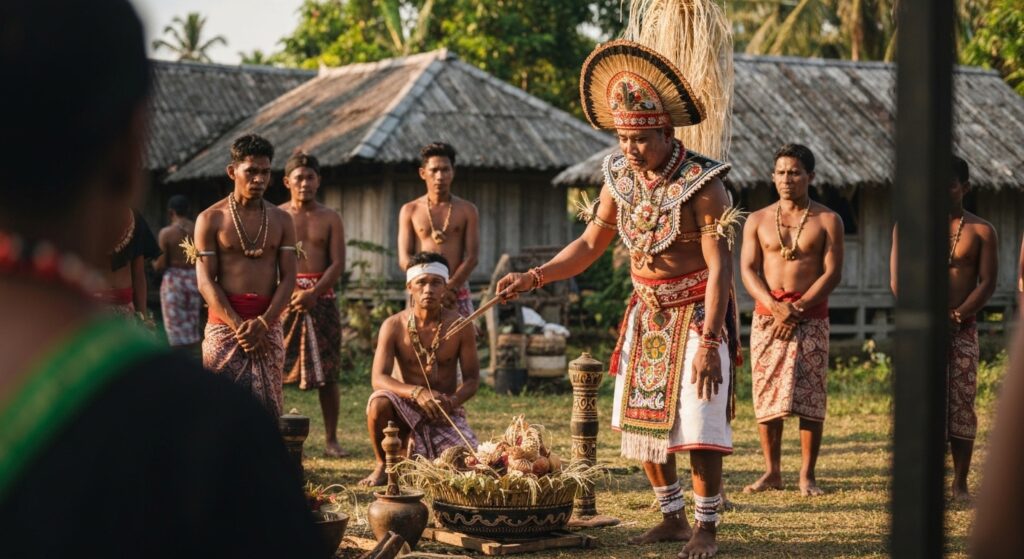
What is Pasola?
Pasola is a unique and sacred ritual combat tradition originating from the island of Sumba in Indonesia. This captivating cultural spectacle combines elements of warfare, spirituality, and agricultural celebration, creating an experience unlike anything found elsewhere in the world. The word “Pasola” comes from the Sumbanese language, where it represents the clash of wooden spears between mounted warriors in a carefully choreographed yet intense competition.
This age-old tradition serves multiple purposes within Sumbanese society. It functions as a rite of passage for young men entering adulthood, a celebration of the rice harvest season, and a spiritual ceremony believed to ensure fertile land and bountiful harvests for the coming year. The practice dates back centuries and remains deeply embedded in the cultural fabric of East Sumba, passed down through generations with remarkable consistency and reverence.
Historical Origins and Evolution
The origins of Pasola trace back to ancient Sumbanese traditions, with historical records and oral histories suggesting the practice dates back at least 500 years. According to local legend, Pasola emerged from the collective desire of Sumbanese communities to honor their ancestors and celebrate their connection to the land. The tradition was initially performed as a way to communicate with ancestral spirits and seek their blessings for a successful harvest season.
Over the centuries, Pasola has evolved while maintaining its essential spiritual and cultural significance. Colonial periods saw various influences, but the Sumbanese people fiercely protected their traditions, ensuring that Pasola continued to be performed according to ancestral customs. Today, Pasola represents a living connection to a rich past while adapting to the contemporary world.
The Spiritual Significance
Beyond its surface spectacle, Pasola carries profound spiritual meaning for the Sumbanese people. Participants believe that the ritual serves as a channel for communication with ancestral spirits, particularly those of deceased warriors and leaders. The blood spilled during the combat is considered a symbolic offering to these spirits, ensuring their continued protection and blessing of the community’s endeavors.
The ceremony is deeply intertwined with agricultural cycles. Pasola traditionally occurs at the beginning of the planting season, and its successful completion is believed to guarantee fertile soil and abundant crops. The intensity and passion displayed during the ritual are thought to transfer this vigor and energy to the fields, promoting healthy plant growth throughout the season.
Pasola Schedule and Timing
Pasola is celebrated during the rainy season in February or March, though the exact dates are determined by the Sumbanese lunar calendar rather than the Gregorian calendar. The ritual typically spans several days, with various ceremonial activities, feasts, and warrior preparations occurring before the main event. Local leaders and spiritual guides determine the precise dates based on traditional astronomical observations and ancestral guidance.
The main Pasola events in East Sumba occur in areas such as Waingapu and surrounding villages. Visitors planning to witness this spectacular tradition should coordinate with local tourism offices and cultural guides to determine exact dates and safe viewing locations, as the tradition remains an authentic cultural practice rather than a tourist performance.
Warriors, Horses, and Preparation
The warriors participating in Pasola undergo months of preparation, training both their horsemanship and combat techniques. These combatants, traditionally young men from prominent families, view participation as a significant honor and a crucial step in proving their readiness for adult responsibilities. The horses used in Pasola are specially trained Sumbanese ponies, known for their agility, strength, and familiarity with the challenging terrain of Sumba.
Preparation involves not only physical conditioning but also spiritual rituals. Warriors fast, perform prayers, and undergo ceremonial cleansings to purify themselves before participating. Elders impart traditional fighting techniques and emphasize the importance of controlled aggression, where the goal is to wound rather than kill, maintaining a delicate balance between ritual combat and genuine danger.
The Significance of Wooden Spears
The wooden spears used in Pasola combat are crafted specifically for the ritual. These spears, called “tongka,” are shaped from lightweight wood that can penetrate flesh but is less likely to cause fatal injuries compared to metal weapons. The craftsmanship of the spear reflects both practical knowledge and spiritual understanding, with artisans treating spear creation as a sacred responsibility. The choice of materials and design represents generations of refinement aimed at balancing the genuine risk necessary for ritual authenticity with practices that minimize catastrophic harm.
Community Organization and Leadership
Pasola is organized through traditional leadership structures within Sumbanese communities. Clan leaders and royal families take central roles in determining timing, overseeing preparations, and conducting ceremonies. Elders form councils that make decisions about the scope and timing of Pasola, ensuring consistency with ancestral traditions while adapting to contemporary circumstances. This leadership structure reflects the broader governance systems of Sumbanese society where hereditary leaders and community consensus work together to guide collective decisions.
FAQ – Common Questions About Pasola
Is Pasola dangerous?
Yes, Pasola involves genuine risk of injury, though tradition emphasizes controlled combat. Injuries ranging from minor wounds to serious trauma do occur, but participants accept these as inherent to the tradition. Modern safety measures have been introduced, including the presence of healers and basic medical supplies at venues.
Can tourists attend Pasola?
Tourists can witness Pasola from designated viewing areas, though access is sometimes restricted during the most sacred portions of the ceremony. It’s essential to work with local guides and obtain proper permissions before attending, respecting the cultural significance and sacred nature of the event.
How do I plan a trip to see Pasola?
Visit our tour packages page to explore options for experiencing Pasola. Our guided tours include transportation, accommodation, cultural briefings, and safe viewing positions. You can also contact us via WhatsApp for custom arrangements.
What should I bring to Pasola?
Bring sun protection (hat, sunscreen), comfortable clothing, water, and a camera. Wear respectful attire that covers shoulders and knees. The event occurs in an open field, so protection from the sun is essential. Closed-toe shoes or boots are recommended due to rough terrain.
What is the cultural significance of Pasola versus other martial traditions?
Unlike martial traditions focused on sport or physical mastery, Pasola remains fundamentally spiritual and agricultural. It serves ceremonial purposes that connect the living community to ancestral realms and natural cycles. The tradition resists commodification, remaining a genuine cultural practice rather than a spectacle created for external audiences.
Cultural Impact and Modern Preservation
Pasola remains a cornerstone of Sumbanese identity and cultural pride. Despite modernization pressures, the tradition continues to be practiced with remarkable authenticity. Cultural organizations and local government have worked to preserve Pasola while supporting youth participation, ensuring this unique tradition survives for future generations. Tourism has played a role in preservation, providing economic incentives for maintaining traditional practices while creating opportunities for cultural exchange.
Explore More
Pasola Festival Locations: The Four Sacred Valleys
Pasola Festival: The Complete Guide to Sumba’s Sacred TraditionPasola Festival: The Complete Guide to Sumba’s Sacred Tradition
Sumba Pasola: Your Specialist Operator for Sumba & Pasola TourismSumba Pasola: Your Specialist Operator for Sumba & Pasola Tourism
Pasola Gallery: Visual Journey Through the FestivalPasola Gallery: Visual Journey Through the Festival